

strandsgames
About Company
Strands Game: A Comprehensive Exploration
Strands Game can refer to several concepts depending on context — from indie video games and tabletop experiences to game-design mechanics that weave narrative strands together. This article examines possible meanings, core mechanics, design philosophies, and cultural significance of “Strands Game,” offering perspectives, examples, and critiques to provide a rounded understanding.
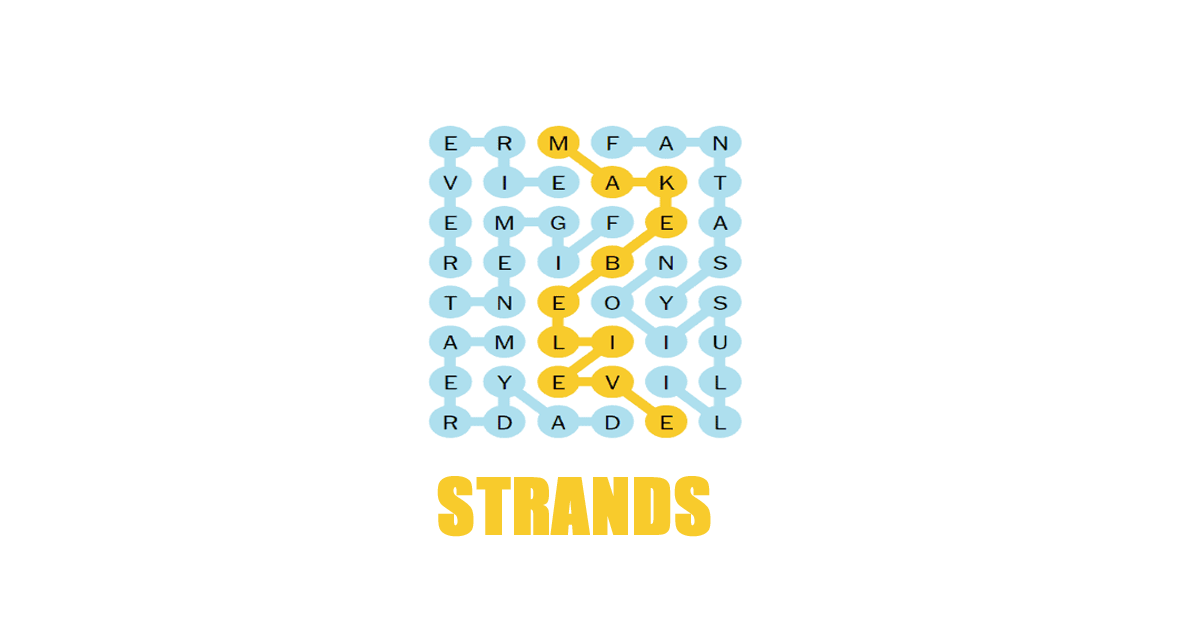
What is a Strands Game?
At its most literal, a “Strands Game” can be a game built around multiple interweaving threads — of story, mechanics, or player interaction — that come together to form a whole. These strands might be:
Narrative arcs that intersect (multiple protagonists, branching storylines).
Gameplay systems that interact (resource management, combat, diplomacy).
Social strands (cooperative/competitive multiplayer dynamics).
Procedural strands (algorithmically generated elements that connect).
Common examples include narrative-heavy games with multiple playable characters (e.g., Heavy Rain, Disco
Elysium’s intersecting systems), indie prototypes that experiment with braided mechanics, and tabletop RPGs where player choices create emergent strands of story.
Design Principles
Key principles when designing a strands-focused game:
Interdependence: Each strand should matter; choices in one influence others. This creates a sense of weight and cohesion.
Clarity vs. Mystery: Players must understand how strands connect without losing the intrigue that reward discovery.
Balance: No single strand should dominate unless intentionally designed for dramatic focus.
Emergence: Allow unexpected combinations of strands to produce satisfying outcomes.
Accessibility: Offer ways for players to manage complexity — tools, UI, and pacing — so strands don’t overwhelm.
Narrative Strands
Narrative strands are perhaps the most visible. Games with multiple protagonists or timelines let players see consequences from different angles. Advantages:
Richer worldbuilding through varied perspectives.
Increased replayability due to branching outcomes. Challenges:
Maintaining consistent tone and pacing.
Ensuring each strand feels meaningful and not filler.
Counterargument: Some critics argue that too many narrative strands dilute emotional investment; focusing deeply on one protagonist can create stronger attachment.
Mechanical Strands
Mechanically braided games combine distinct systems (e.g., exploration, crafting, politics) that feed one another. Benefits include strategic depth and emergent play. Risks include complexity creep and player decision paralysis.
Design response: Introduce systems gradually, provide clear feedback loops, and allow players to specialize or automate less interesting strands.
Social Strands
In multiplayer games, social strands—alliances, betrayals, shared resources—create dynamic narratives. Titles like Among Us or Diplomacy showcase how human interaction forms the core strand. These games rely heavily on player behavior, making outcomes unpredictable and engaging.
Critique: Social strands can produce toxicity or exclusionary play; designers must include safeguards and tools for moderation and positive incentives.